
About Sri Lanka
Facts. History. Sights.
Sights in Sri Lanka
There is so much about Sri Lanka: Historic sights, diverse landscapes, unique national parks. Beautiful, unspoiled beaches invite you to relax and unwind.
On our individual round trips and day tours, we show you the uniqueness
of this magical place on earth.

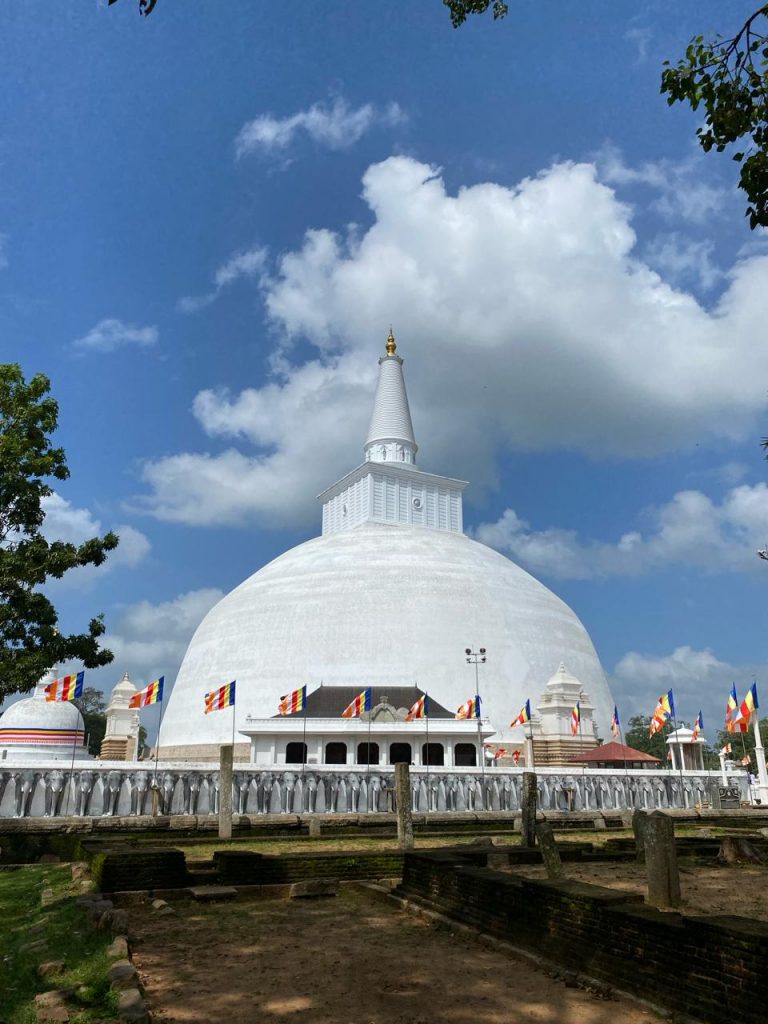
Royal Sites
Facts About Sri Lanka
- Location and size: Sri Lanka is located in the Indian Ocean and has an area of 65,610 km².
- Country name: Democratic Socialist Republic of Sri Lanka
- Capital: Colombo (de facto), Sri Jayewardenepura Kotte (de jure)
- Form of government: Unitary presidential republic with a parliamentary democratic system
- Population: 21.9 million
- Official languages: Sinhala, Tamil, English is widely spoken
- Religions: Buddhism: 70.2%, Hinduism: 12.6%, Islam: 9.7%, Christianity: 7.4%
- Currency: LKR (Sri Lankan rupee)
History
5th century BC: Founding of the first kingdom by King Pandukabhaya with Anuradhapura as its capital. It existed for 1,300 years.
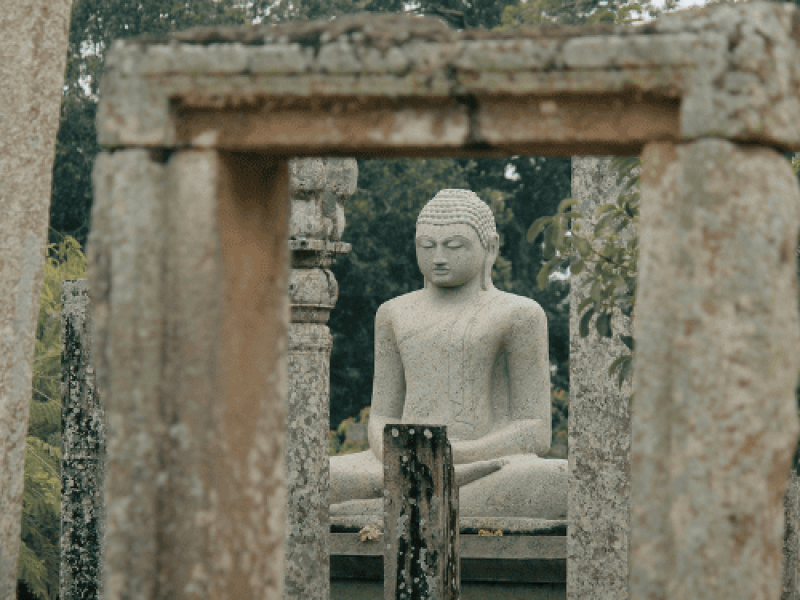
6th century BC: Introduction of Buddhism by Mahinda, son of the Indian king Ashoka. The meeting with the then king Devanampiya Tissa took place on Mount Missaka (Mihintale). The king is so impressed by Mahinda’s stories that he converts to Buddhism. Buddhism becomes the state religion.
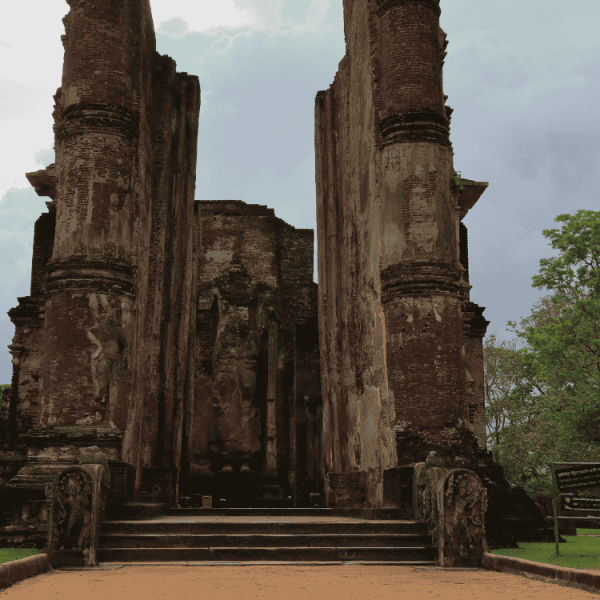
993 AD Conquest of Anuradhapura by the South Indian Chola dynasty, which names Polonnaruwa as the capital of the second kingdom.
1070 AD King Vijabahu I takes power and officially names Polonnaruwa the new capital.
1272-1284 Yapahuwa is briefly the capital, founded by King Bhuvanekabahu I. Used as a military fortress.
1505-1658 Arrival of the Portuguese and the beginning of the European colonial period. Portuguese rule lasts for around 150 years.
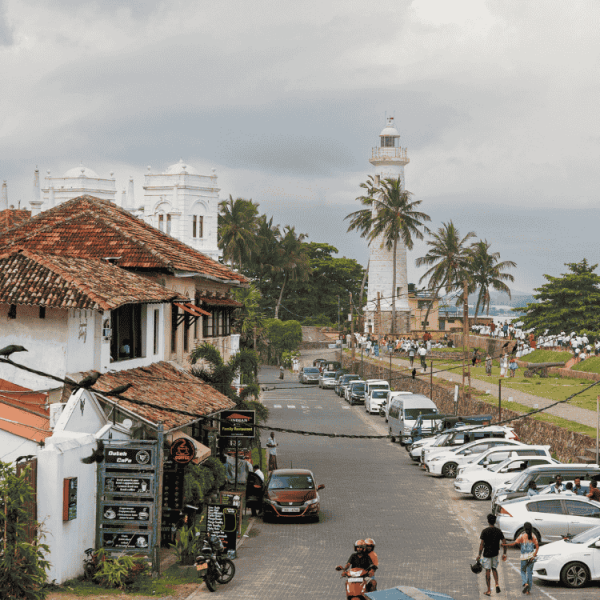
1658-1796 The Dutch oust the Portuguese and control the entire coastline (trade, ports, cities, administrative systems). Trade focuses primarily on cinnamon.
1796-1948 In 1796, the British take control of the coastal areas.
1931 Introduction of universal suffrage under British colonial administration.
1592-1815 Kandy is the capital, while large parts of Sri Lanka have already been occupied by colonial powers. The city is considered the center of resistance against the Portuguese and Dutch. Kandy also has great spiritual significance, as the upper left canine tooth of Siddhartha Gautama is kept here in the Temple of the Tooth. The Kingdom of Kandy remains independent until the 18th century. In 1815, the Kingdom of Kandy also falls to Great Britain.
February 4, 1948 Independence as Dominion Ceylon. Sri Lanka has its own government, with the British monarch remaining formally head of state.
1972 On May 22, 1972, the Republic of Sri Lanka is proclaimed and a new constitution is introduced under Prime Minister Sirimavo Bandaranaike. The British head of state no longer plays a role.
1983-2009 Outbreak of civil war between the LTTE (“Tamil Tigers”) and the Sri Lankan government. The main cause is ethnic tensions. The Tamils want an independent Tamil state. 2009 Official end of the civil war with the military defeat of the LTTE.
2004 On December 26, 2004, a tsunami hits the coast of Sri Lanka. The east, south, and southwest coasts were particularly affected. It was one of the worst natural disasters ever.
2022 Sri Lanka falls into its worst economic crisis since independence and effectively defaults on its debt. Many factors triggered this situation. An aid package was put together by the International Monetary Fund, and a multi-year program was established to secure loans and reforms.
2024 Slight economic recovery, real gross domestic product rises by 5%, inflation and currency value stabilize.
Anura Kumara Dissanayake is elected president, symbolizing a new political beginning. His left-wing party also holds a majority in parliament.
Sri Lanka is at a political turning point. The new government is taking appropriate measures to stimulate the economy, fight corruption, and implement structural reforms.